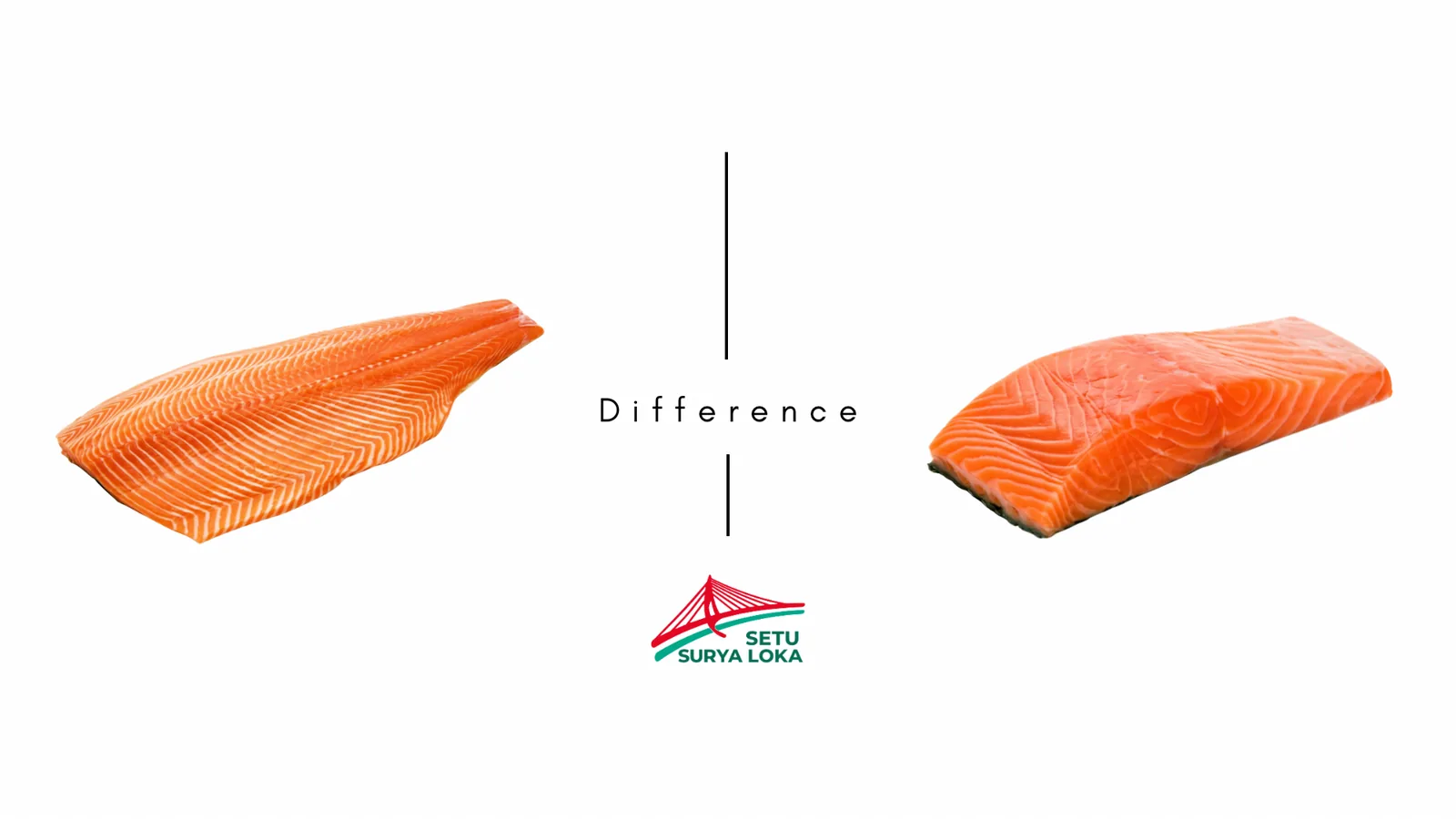
Norwegian Fjord Trout and Tasmanian Salmon both have red-orange flesh and are often sold side by side. They are different species, from different places, farmed in different ways. This guide explains what each one is, how they compare, and what to check when you buy.
1. Understanding the two fish
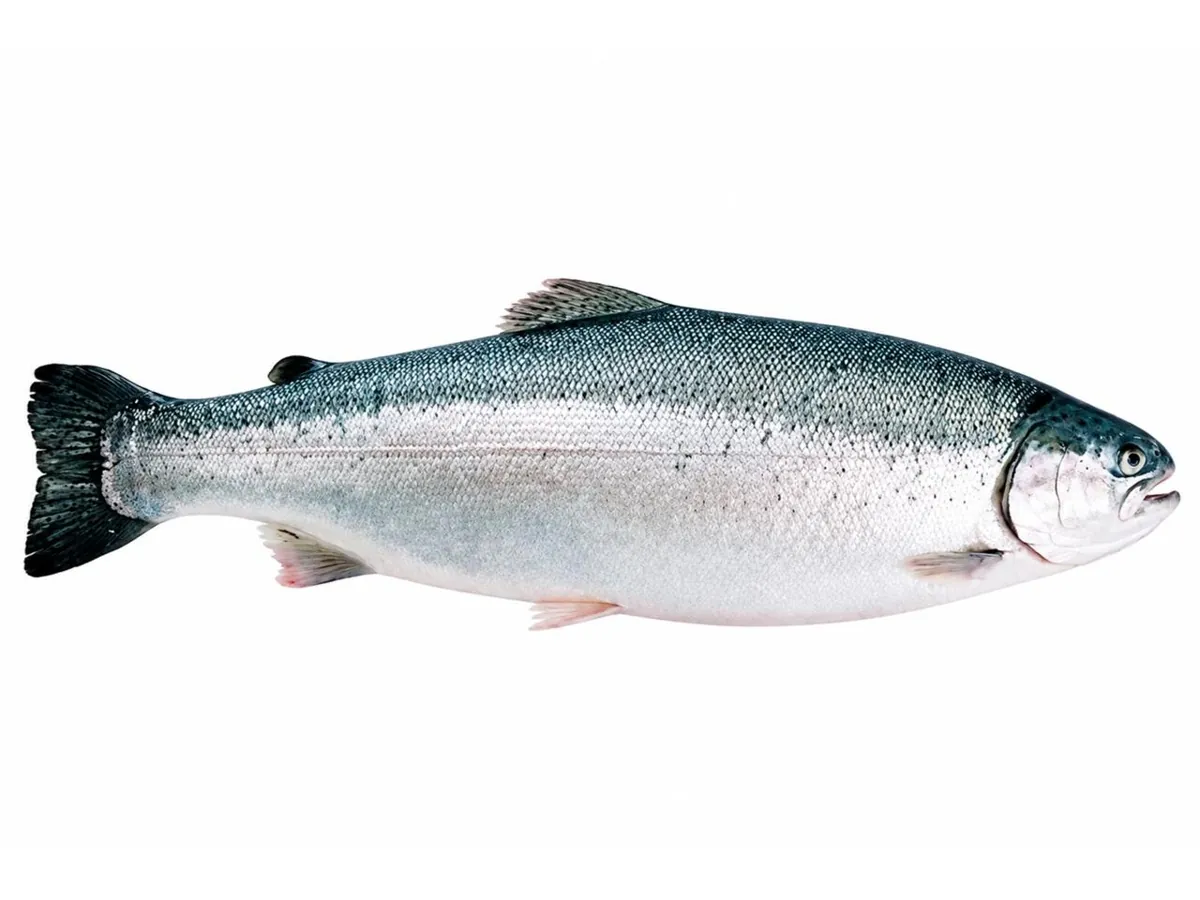
What is Norwegian Fjord Trout?
Norwegian Fjord Trout is rainbow trout (Oncorhynchus mykiss) farmed in the sea in the fjords of Norway, where cold seawater mixes with meltwater from glaciers and snow.1 It is not a separate species. The name describes where and how the fish is raised.
2. Key differences at a glance
| Norwegian Fjord Trout | Tasmanian Salmon | |
|---|---|---|
| Scientific name | Oncorhynchus mykiss | Salmo salar |
| Common species | Rainbow trout | Atlantic salmon |
| Origin | Norway | Tasmania, Australia |
| Farming | Sea farms in Norwegian fjords1 | Freshwater hatcheries, then sea pens3 |
| Flesh colour | Deep red-orange (producer description)12 | Varies with farm and feed |
| Texture | Firm yet tender (producer description)1 | Varies between farms and batches |
3. Taste, texture and appearance
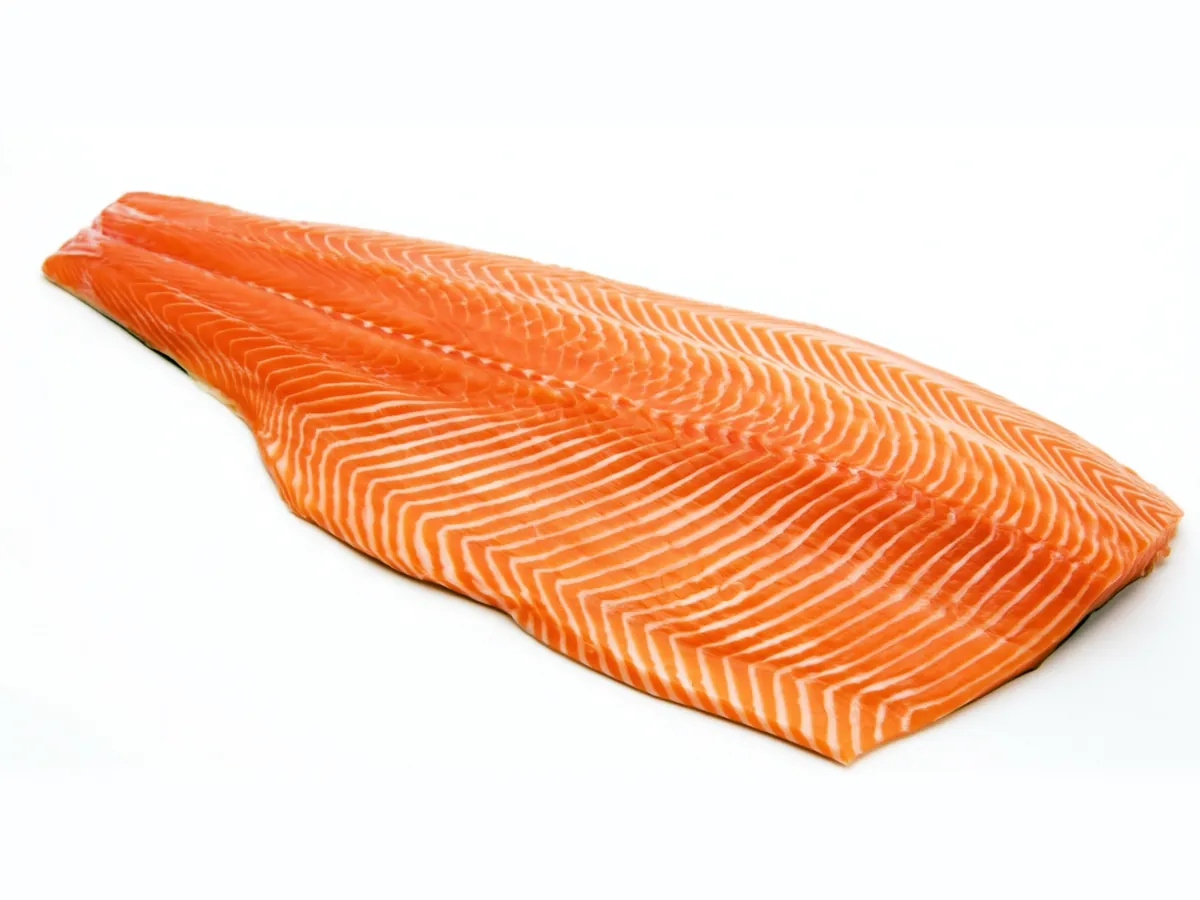
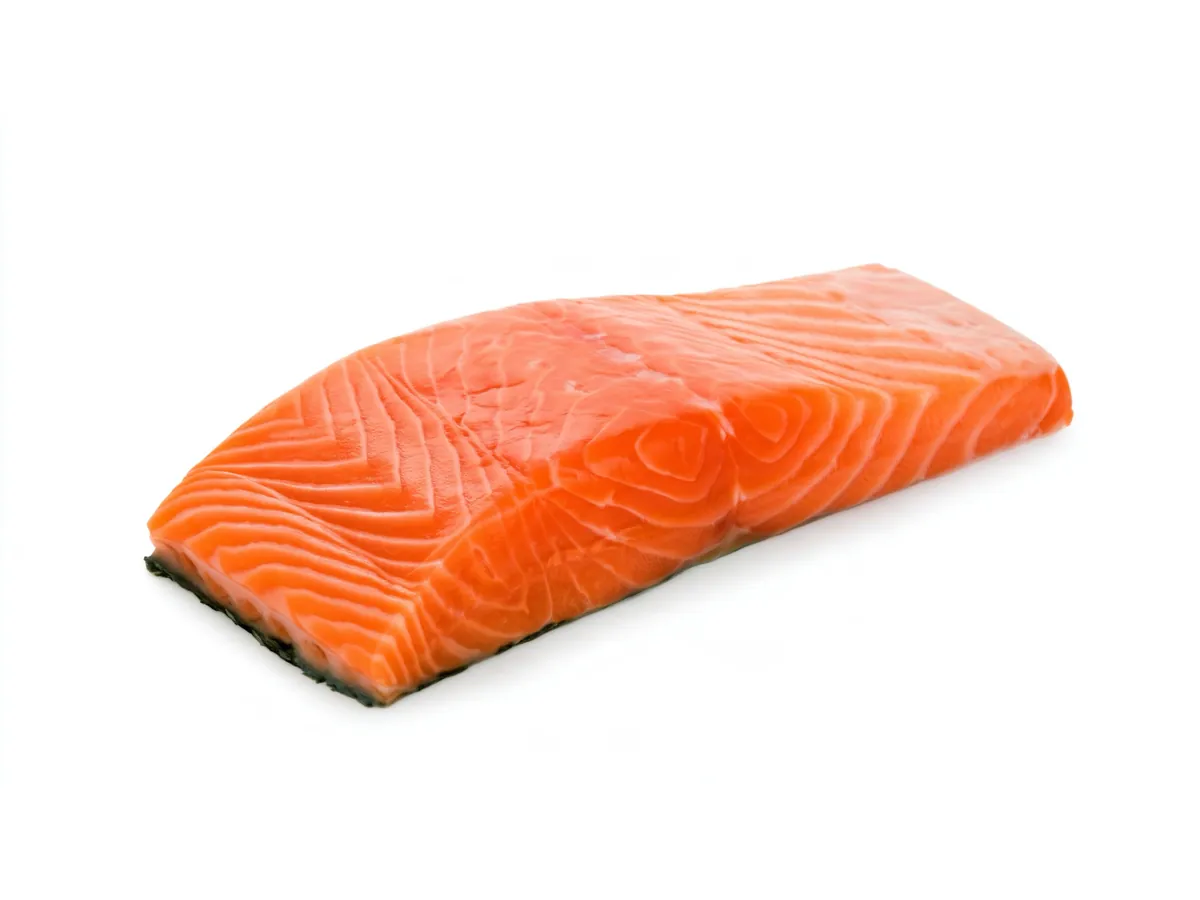
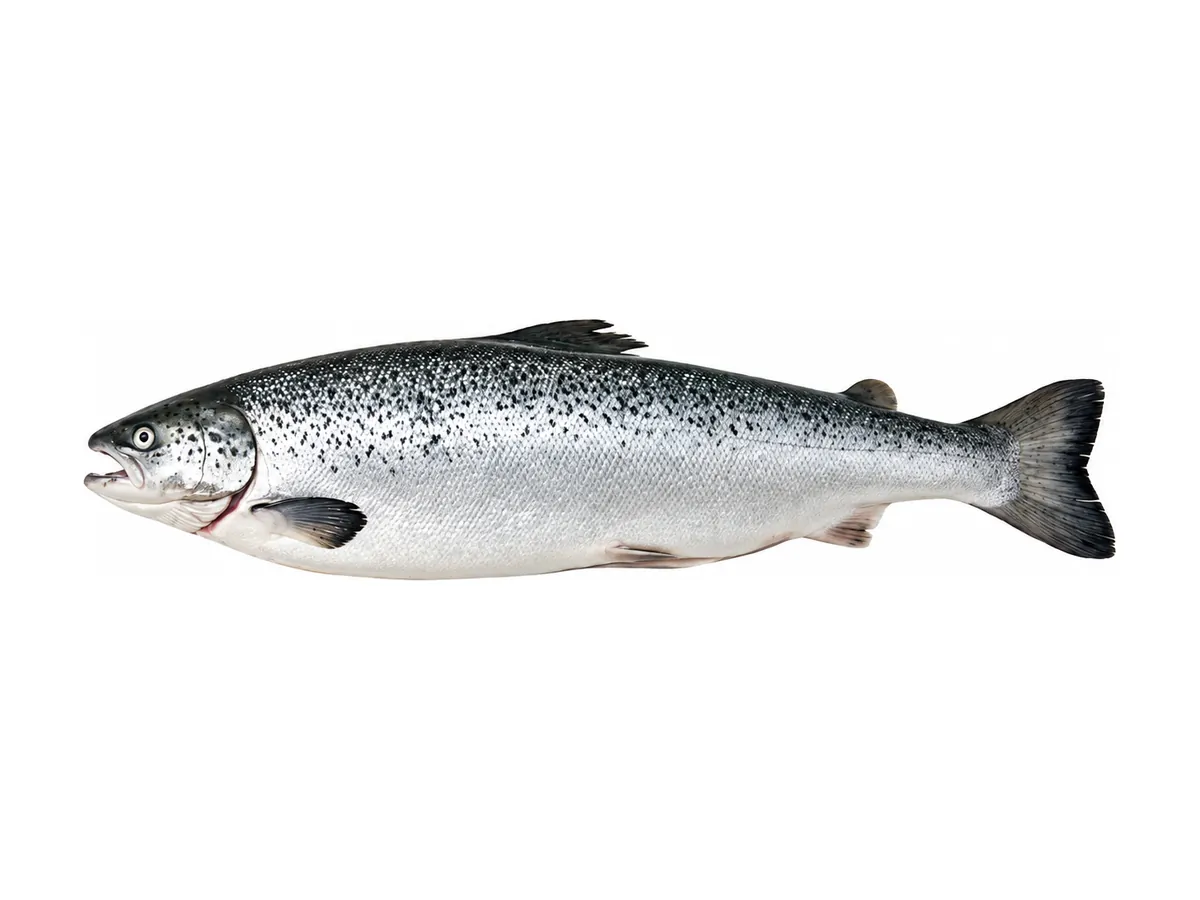
Tasmanian Salmon
Like any farmed fish, the eating quality of Atlantic salmon can vary between farms and batches. For either fish, judge the actual product in front of you, not the name alone.
4. Nutrition
Farmed trout, raw, per 100 g, from the Norwegian Food Composition Table:5
| Nutrient | Per 100 g |
|---|---|
| Energy | 166 kcal |
| Protein | 19 g |
| Fat | 10 g |
| Saturated fat | 2 g |
| Omega-3 | 2.5 g |
| Vitamin D | 6.9 µg |
| Vitamin B12 | 4.8 µg |
| Selenium | 30 µg |
Atlantic salmon is also a good source of protein and omega-3. Values vary from sample to sample, so neither fish can be called healthier without comparable lab data.
5. Which is better for sashimi?
Neither the species nor the country of origin makes a fish safe to eat raw. Food Standards Australia New Zealand advises buying raw fish labelled sashimi grade from a reputable supplier, and says pregnant women, older people and people who are unwell should not eat raw fish.4
For raw dishes, ask your supplier for the food safety documents of the specific lot you are buying.
6. Which fish should you choose?
- Choose fjord trout when its deep red-orange colour and firm texture suit your dish.
- Choose Tasmanian salmon when your menu or your customer specifically needs Atlantic salmon.
- For either one, compare: species and origin documents, storage temperature and cold chain, condition on arrival, food safety documents and landed cost.
7. Final verdict
There is no universal winner. Fjord trout and Tasmanian salmon are different species with different strengths.
Our conclusion: The right choice depends on your dish, the specific product and its documents, not just the name or the country.
References
- Norwegian Seafood Council. Fjord Trout: The Jewel of the Norwegian Fjords. Source
- Lerøy Seafood Group. Fjord Trout. Source
- Department of Natural Resources and Environment Tasmania. Salmon Farming. Source
- Food Standards Australia New Zealand. Raw fish dishes. Source
- Norwegian Food Composition Table (Matvaretabellen). Trout, farmed, raw. Source
Image disclaimer
All images in this article are for educational illustration only. Some were created or enhanced with AI.
They do not show a specific product, supplier or shipment, and are not used to advertise any product.